CASE STUDY: Creating the Witness Service Referral Form for Witness Box 2.0
Executive Summary

The Witness Service Referral Form (WSRF) project represents a significant endeavour for my team. It aims to enhance the existing form embedded on our site by transitioning to a new form, benefiting Ministry of Justice (MoJ) caseworkers. Understanding the challenges inherent in managing uncertainties and the project’s complexity, a visual representation in the form of a mural was created, and proved instrumental in enhancing team cohesion and coordination, fostering a clearer understanding of project intricacies among the team.


Implementation began with defining the Minimum Viable Product (MVP) through intensive inquiry sessions and creating a visual mural to guide development. A hybrid Kanban-sprint approach was adopted, supported by regular refinement sessions and innovative estimation techniques. Effective coordination between the features team and the Komodo team, an external partner, was paramount to project success. Proactive measures, including rules and responsibilities sessions, were implemented to establish clear communication channels and delineate each team’s roles and responsibilities.

Background

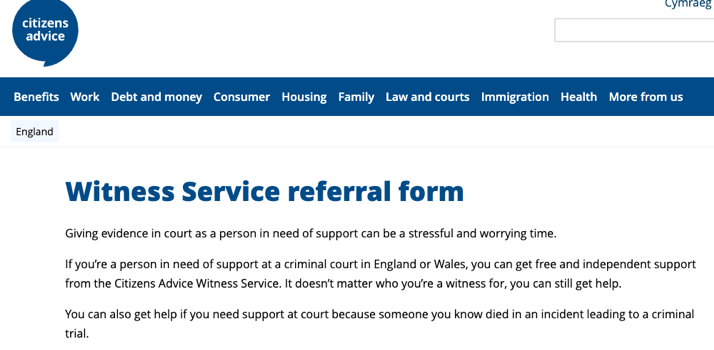
Recently, my team has been focusing on a significant project: the Witness Service Referral Form (WSRF). Currently, the form on our website is embedded within an Episerver page using an iframe. This form sends data to Witness Box 1.0, which is then integrated into a larger system developed for the Ministry of Justice (MoJ). The new WSRF will be integrated into the Content Platform and will interface with the Witness Box 2 API. This API will then transmit the data to an enhanced system designed for use by MoJ caseworkers, providing a more refined and streamlined process.

The current Witness Referral form

Implementation

I led a session focused on defining the Minimum Viable Product (MVP) for our project, using probing questions to enhance the team’s comprehension. This proactive approach not only established a strong groundwork for development but also tackled the project’s inherent uncertainties and complexities.


From this initial session, several clear requirements were identified, but it also brought forth some questions. We looked into accessibility standards and discussed critical aspects of the form that might not meet the AA standard set on the platform, particularly concerning radio buttons, dropdown lists, and the proposed multilevel dropdown selection option. While an option for an external audit was considered, it was determined that for the MVP, an internal audit would suffice. Since each component will undergo accessibility testing individually, the focus should be on testing the connecting points. Ultimately, the multilevel dropdown select was ruled out, as our product design lead confirmed it to be a poor accessibility option.


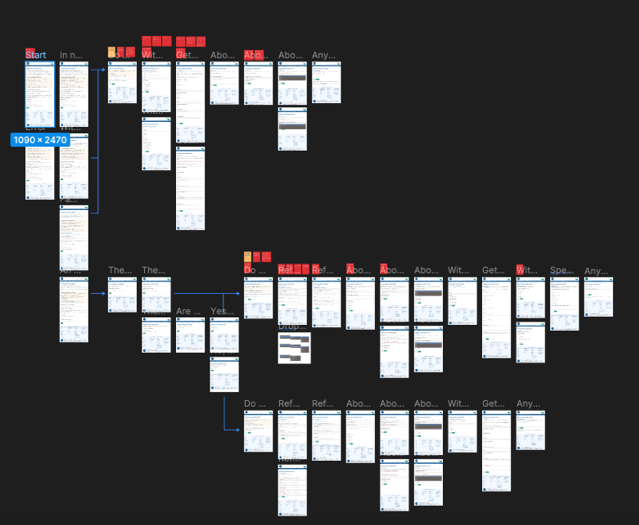
In one of our follow-up sessions, our Product Design lead guided us through the Figma files, demonstrating the structure of the form. This visual walkthrough provided clarity on the various flows within the form, making it easy for the team to understand its layout and functionality. Incorporating visual tools like Figma files and murals facilitated transparency and collaboration within the team, promoting agile values of communication and shared understanding. By integrating these tools into our agile rituals, such as stand-up meetings and backlog refinement sessions, we fostered a culture of collaboration and transparency.

Figma designs showing flow through form

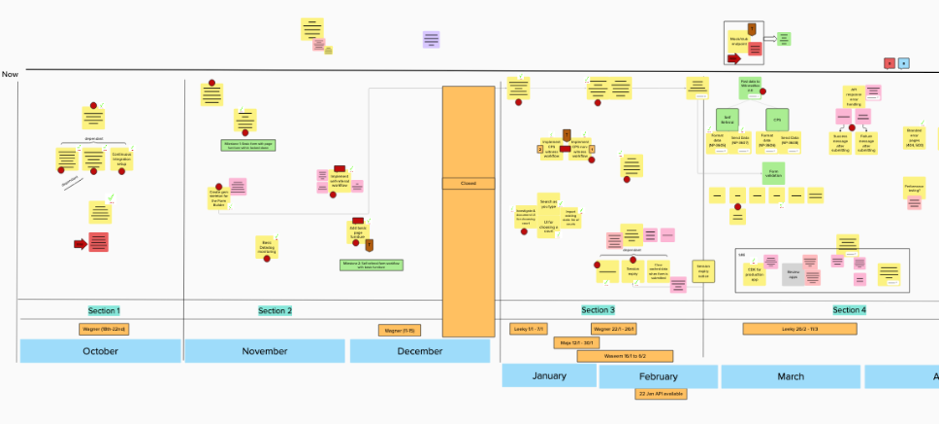
Recognising the complexity of the project, I created a mural to visually break down and articulate its various components, milestones, and dependencies. The Tech Lead noted that this visualisation “really helped to conceptualise the entire process and clarify things.” Likewise, developers appreciated the mural for fostering collaboration and reducing feelings of isolation. To further integrate this tool into our agile practices, I incorporated it into our Friday stand-ups, which were tailored specifically for the Witness form. During these sessions, we review the planning mural, share updates, address questions, and collectively assess our progress toward meeting our upcoming deadline.

Mural board showing timeline and tasks, with dependencies and milestones

While my team operates with a Kanban approach, I advocated for integrating sprint elements into our workflow for the Witness Service Referral Form (WSRF) project due to its intricate nature and time constraints. To achieve this, I ensured that our visual mural depicted development in stages, breaking down tasks into manageable increments and incorporating timelines for each stage to align with project objectives. Dev refinement sessions were conducted to scrutinise cards within the current stage, ensuring clarity and readiness for execution. Additionally, regular backlog refinement sessions were established to review upcoming tickets, validate acceptance criteria, and ensure they contained sufficient detail for developers to pick up. I facilitated highly successful estimation sessions using lunar logic to further dissect cards. We embraced agile estimation techniques and emphasised collaboration over rigid planning, enabling increased team participation and productivity. Understanding some team members’ negative experiences with estimation sessions, I emphasised using estimates to break down tickets and foster understanding rather than enforcing rigid time planning. This approach resulted in increased participation and productivity among team members, highlighting the effectiveness of promoting collaboration and adaptability.


Recognising the heightened complexity of collaboration between my internal features team and the external Komodo team, I took the initiative to organise a rules and responsibilities session involving key stakeholders from both teams. This session served as a platform to clearly outline each team’s scope of work, define individual responsibilities, and establish effective communication channels. By fostering a shared understanding of roles and expectations, we successfully mitigated the risk of misunderstandings and streamlined collaboration. Additionally, this session provided valuable insights into the dynamics between team members, enabling me to navigate interpersonal relationships effectively throughout the project. Through these efforts, I ensured a collaborative environment that promoted effective communication, minimised friction, and ultimately contributed to the project’s success.


The primary point of connection with the Komodo team centred around the API we would use to transmit our form data to Witness Box 2.0. This necessitated coordination with Komodo on several fronts, including setting up testing environments to send test data through the API and ensuring synchronised efforts to prepare for penetration testing. Our strategy involved planning for penetration testing of the entire system concurrently, as we believed it to be a more robust approach and also more practical in terms of scheduling the testing sessions. Our proactive approach to collaboration with external teams, such as organising rules and responsibilities sessions and coordinating penetration testing, exemplified agile principles of cross-functional teams and customer collaboration.


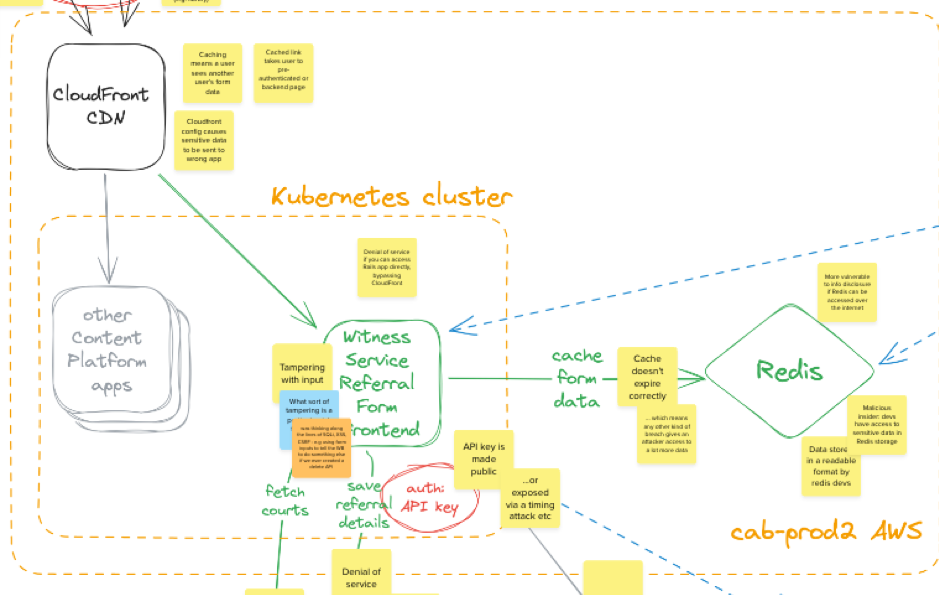
Our tech lead spearheaded the threat modelling workshop, which, among other findings, identified certain issues such as the lack of authentication required in the current form. However, after discussions with Komodo, it became apparent that this had never been flagged as an issue with the existing form, thus there was no immediate need to include it in the MVP. I documented this decision in our decision log to ensure transparency and alignment within the team.

Threat Modelling Witness Forms

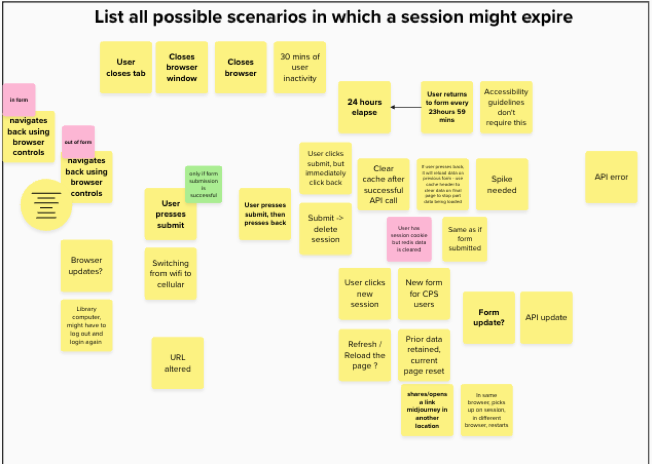
Certain seemingly straightforward aspects, such as session expiry, revealed greater complexity upon closer examination. For instance, determining when a session should be considered expired and whether users require warnings regarding timing posed significant considerations. Additionally, questions arose regarding the duration for which data should be retained while users navigate through the form, and whether there are any safeguarding issues related to data retention. These complexities prompted thorough deliberation and exploration to ensure comprehensive solutions were developed.


Understanding session expiry

Conclusion

My journey in updating the Witness Service Referral Form (WSRF) exemplifies the power of strategic planning, agile methodologies, and effective collaboration. By initiating a session to define the Minimum Viable Product (MVP) and creating a visual mural to articulate the project’s complexities, I established a solid foundation for development and fostered a shared understanding among team members. The integration of the mural into our agile rituals, particularly during Witness form-specific Friday stand-ups, served as a catalyst for communication and alignment, enabling us to collectively gauge progress and address challenges effectively.


Embracing agile principles, I seamlessly integrated elements of sprints into our workflow, breaking down tasks into manageable increments and ensuring alignment with project objectives. Through detailed refinement sessions and estimation techniques, I fostered a culture of collaboration and adaptability, overcoming challenges and driving productivity.


Moreover, recognising the complexities of collaboration between internal and external teams, I proactively established clear communication channels and delineated responsibilities through rules and responsibilities sessions. By fostering a collaborative environment, I mitigated risks, minimised friction, and ultimately contributed to the project’s success.


In essence, our journey with the WSRF project underscores the importance of strategic planning, agile methodologies, and effective collaboration in driving successful outcomes.

Description

Creating an updated form for the Ministry of Justice (MoJ)